

When an AI-built MVP works in demo, we help decide what it needs before real users depend on it.
The early win is that the prototype exists. The risk is that generated code often hides fragile assumptions around auth, data access, payments, deployment, logging, and maintainability.
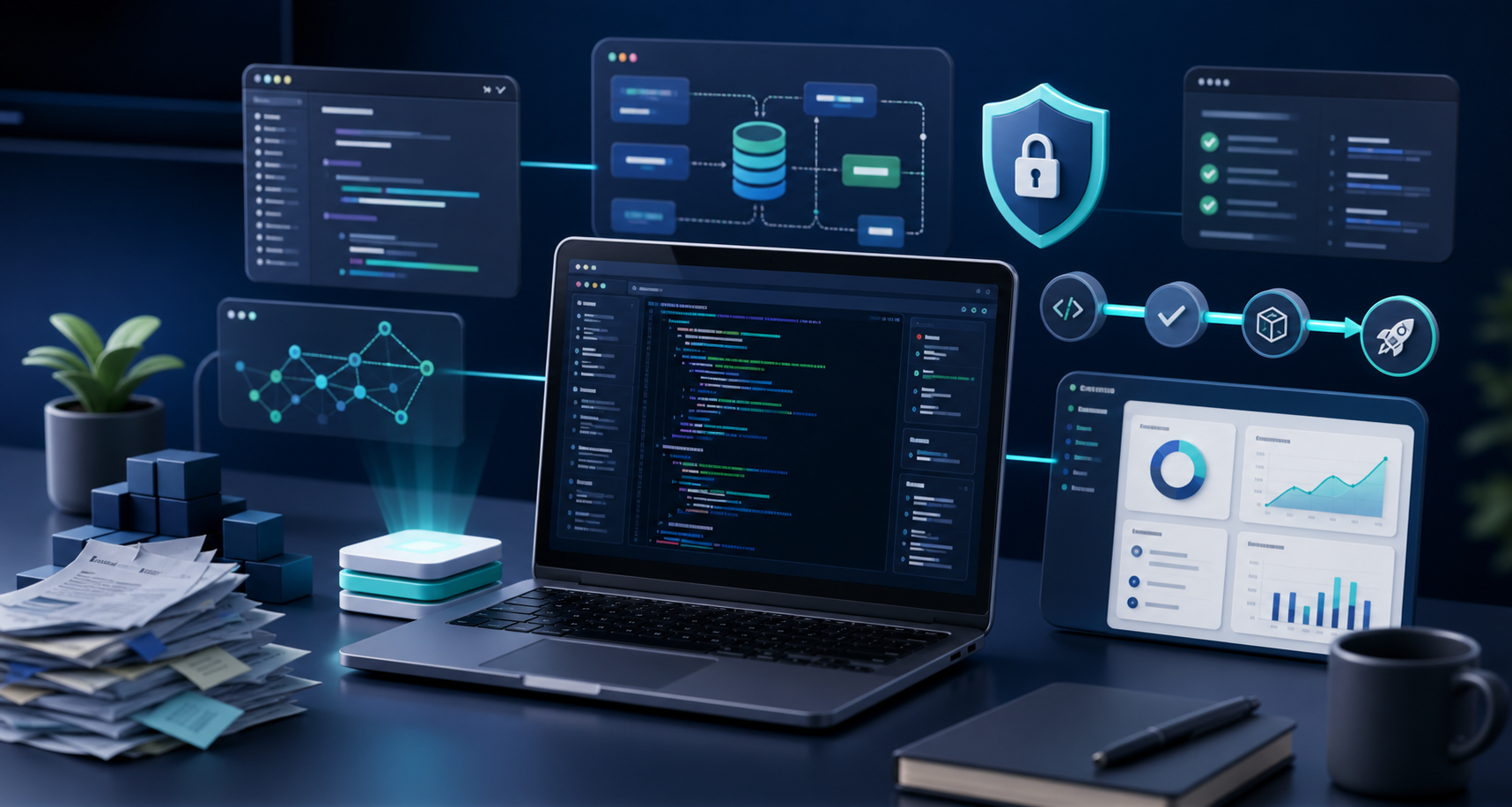
Lovable, Bolt, Cursor, Replit, or v0 MVP
If this is what your client is asking about, the conversation has moved from prototype excitement into production responsibility. This is where a founder needs more than encouragement; they need a practical engineering path that protects the product, the users, and the partner relationship.
What we look for
- Authentication, sessions, route guards, and role boundaries.
- Database exposure, Supabase RLS, tenant separation, and private records.
- Stripe/payment states, webhooks, failed payments, and entitlements.
- Deployment environments, rollback paths, logs, backups, and monitoring.
What we can do
- Codebase rescue audit with severity ranking.
- Production hardening sprint for the most dangerous risks.
- Rebuild-vs-refactor recommendation before the client spends more.
- Partner-friendly handoff notes so you keep the relationship clear.
What the first sprint clarifies
- Review the generated codebase and map the risky paths.
- Separate usable product logic from demo-only scaffolding.
- Check auth, RBAC/RLS, API routes, environment secrets, and admin actions.
- Create a fix-first plan for launch blockers and production hardening.
We turn a vague technical worry into a clear decision the founder can buy.
The strongest partner handoff is not, “You need developers.” It is, “Here is what is risky, here is what should be fixed first, and here is the first sprint that moves the product toward production.”
Where the founder is stuck
- The demo looks impressive, but nobody knows which generated parts are safe to keep.
- Authentication, data access, payments, and admin actions were added quickly without a production review.
- The founder wants to sell, onboard users, or show investors before the codebase has been hardened.
- Every new feature request feels risky because the structure is difficult to reason about.
What they receive
- A plain-English codebase risk summary a non-technical founder can understand.
- A severity-ranked fix plan that separates launch blockers from nice-to-have cleanup.
- A recommendation on whether to harden, refactor, rebuild, or pause feature work.
- A first sprint scope that gives the partner and founder a realistic next move.
Why this helps you
- You can keep the prototype win while giving the client senior engineering judgment.
- You avoid promising that generated code is production-ready when nobody has checked it.
- You have a credible path for the founder after the scanner, demo, or investor conversation creates urgency.
- You stay involved in the relationship without needing to personally own every backend/security decision.
A related build that shows the kind of production thinking behind the offer.
These examples are not inflated into fake metrics or claims. They are used as practical proof of the workflows, access models, payments, dashboards, and software handoff decisions founders need when a prototype becomes a business system.
Recipe Check AI product work
Recipe Check shows the kind of AI product thinking this offer needs: clear user flow, practical guardrails, and turning uncertain inputs into a more useful software experience.